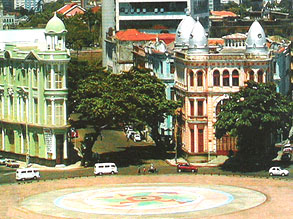
Duarte Coelho, donator of the Captainship of Pernambuco found a strategically place to install, in the high hills, where there was a small village called Marim, constructed by the indians, installing there the village that became Olinda. The Capital of Pernambuco until 1937, Olinda possesses important colonial architecture and because of this, in 1982, UNESCO declared its historic centre a Cultural Heritage of Humanity. The foundation of Olinda dates from 1535. The original small town was constructed by Duarte Coelho Pereira, the donee of the Captaincy of Pernambuco, and became Capital. A walking tour of the historic centre, where the Heights and Church da Sé (1537), the old slave market, the steep street to and the convent of São Francisco (1585), the Episcopal Palace and the São Bento Monastery.
Day 2 (Monday) – Olinda
/ Igarassu / Itamaracá
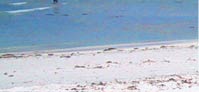
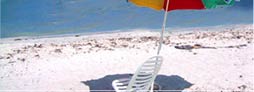
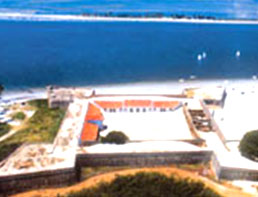
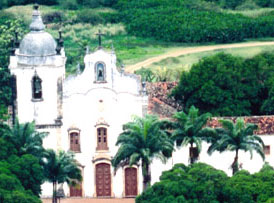
After breakfast, we will visit Igarassu, cradle of the state’s history (1535), when it received the Portuguese entourage, which was led by the then donee Duarte Coelho Pereira, the Captain of Pernambuco. We will find roughly stoned streets, simple rows of houses, ancient ingenuities, and religious buildings, such as the church of the Saints Cosme and Damião (1535 – the oldest in Brazil) and the Convent of Santo Antônio, home of the gallery most representative of colonial art. Then on to Itapissuma to sail by catamaran, between mangroves, to “Coroa do Avião” where you find delicious seafood and enjoy bathing. Afternoon visit Vila Velha and Orange Fort connected by a wonderful trial, the one the deuth used to do. Night with dinner and Ciranda show.
Day 3 (Tuesday) – Itamaracá /
Carne de Vaca / Rio Goiana Estuary / Goiana
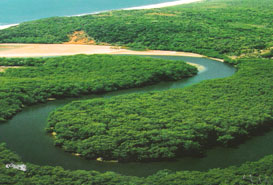
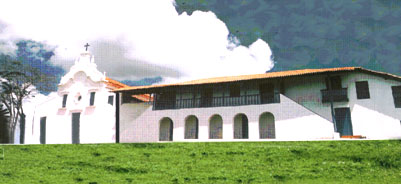
After breakfast raft to the natural pools at Pedra da Galé, formed in the coral reefs which divide the open sea from the soft calm waters, where you will have the chance to feed the colorful small fish. After lunch, we will navigate along the Goiana River, the ancient transportation for the sugar sacks fabricated in the region. The municipality of Goiana sprung up in 1570, on lands of the Seismarias de Diogo Dias, the flatlands alongside the River Capibaribe Mirin. Loding in the Carmelite complex (1666) with the churches of Nossa Senhora do Carmo, Santa Teresa da Ordem Terceira do Carmo and a beautiful Cross sculptured from limestone.
Day 4 (Wednesday) – Goiana
/ Aparauá
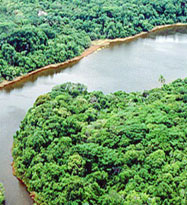
Morning trekking in the Atlantic Forest, attraction of the tour considered unmissable, sheltering 70 species of animals. We finish up tired, but only physically. Mentally you feel great. The natural reserve provides high-class typical food. Our itinerary includes trip by canoe along the wonderful atmosphere of a magic weir formed by streams descending from the Forest. We will visit old mansions and constructions from those prosperous times.
Day 5 (Thursday) – Goiana
/ Historic Tour / Vicência
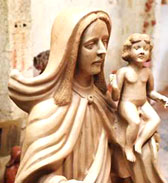
Morning visit the church of Nossa Senhora do Rosário dos Pretos (Our Lady of the Black’s Rosary), erected, probably, by Blacks in the XVI & XVII centuries and, the Sacred Art Museum in the Amparo’s Church, which has a 2-metre high statue of Nossa Senhora do Amparo (Our Lady of Help), donated by the Princess Isabel. The tombstone of Jerônimo de Albuquerque, a Pernambucan hero, and his wife are part of the collection. The Northeastern littoral offered such favourable conditions for the cultivation of sugar cane that it became a lucrative and less laborious activity. Favoured by the warm, humid climate, the fertile “massapê” (black clayish) soil and the flat relief, cane farming rapidly took over the region, initiating the sugar-cane cycle.
Day 6 (Friday) – Vicência
Morning visit to Poço Comprido (1750), an old mansion restored by the National Heritage Foundation and cachaça (Brazilian brandy) distillery. Visit in old Engenho Jundiá and a typical rural school, with the possibility of horseback riding, trekking in the woods, hang-gliding… This is a region which cultivates from sugar cane to bananas, making use of the remains to produce creative and perfect utilitarian handicrafts.
Day 7 (Saturday) – Vicência / Tracunhaém / Recife
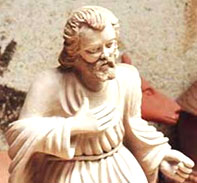
Morning visit to Tracunhaém, a centre for terracotta artisan work. The city of Tracunhaém is situated in the Pernambucan forests, where artisan ceramics dominate the economic activities, being one of the largest and best centres of ceramic art in our country. The artisans model figures of saints, animals, and decorative and utilitarian objects from clay. This upcountry art, with its hinterland roots, is admired for its originality and creativity. Visit to the artisans.
Day 8 (Sunday) – Recife – Historic Tour
The years of Count Mauricio de Nassau’s government have gone down into history as the golden age of Dutch colonial rule. The talented politician and strategist transferred the seat of government from Olinda in 1637. A new city, Mauricea, sprung up, with paved streets, bridges and a level of urbanization previously unknown in Brazil. Two palaces crowned the labours of the administrator: Shipping, on the confluence of the Rivers Capibaribe and Beberibe, facing the sea, and Summer, outside the centre. The Governor-General surrounded himself with intellectuals, the painters Frans Prost and Albert Eckout being prominent amongst them. Then on to visit the Golden Chapel, the Synagogue, the Fort of Five Points, Sol and Aurora Streets, Brum Fort, the patio of São Pedro and Princesses’ Field. We suggest catamaran trip in Beberibe and Capibaribe rivers.
Av. Hélio
Falcão, 530 - Boa Viagem - Recife/PE - Brasil - 51021-070 | PABX: (55) 81-3328.6007 - rbm@rbmturismo.com.br