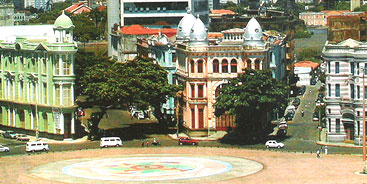
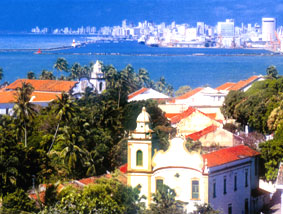
Olinda, the Capital of Pernambuco until 1937, possesses important colonial architecture and because of this, in 1982, UNESCO declared its historic centre a Cultural Heritage of Humanity. The foundation of Olinda dates from 1535. The original small town was constructed by Duarte Coelho Pereira, the donee of the Captaincy of Pernambuco, and became Capital. A walking tour of the historic centre, where the Heights and Church da Sé (1537), the old slave market, the steep street to and the convent of São Francisco.
Day 2 (Mon) – Olinda / Bezerros
After breakfast trip to Bezerros for lodgins ecological reserve “Serra Negra (Black Mountain), including dams, mineral sources, rocky grottos, mirantes, formations, stretches of Atlantic forest and unmissable ecological tracks. We will visit “Centro de Artesanato Pernambucano” (Handcraft Center).
Day 3 (Tues) – Bezerros / Buíque / Kapinawá Reserve
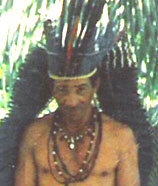
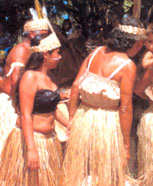
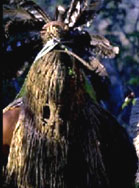
Visit to the indigenous Kapinawá Reserve, where we will be able to find beautiful dry grass and straw artisan work produced by the Indians, practical ceramics, embroidery, Renaissance-style lacework and tapestries. The natives demonstrate their artistic abilities in the making of instruments and other necessary utensils. The Indians ancestors taught them only to work as much as was necessary and to share everything they produced. Their cooperative spirit maintains them united and the division of labour is by sex and age. Trekking to “Serra do Elefante”. In the evening we will participate in Toré and coconut samba, danced by the Indians around the Cross of the Church of São Sebastião.
Day 4 (Weds) – Buíque / Catimbau Valley
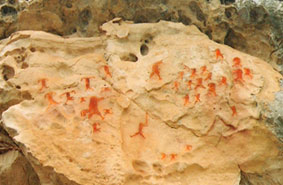
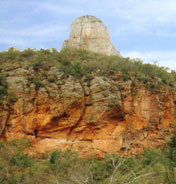
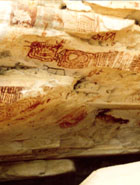
Morning trekking visit to the Canyons, an area of ridges, valleys and rocks, which impresses with its primordial magnificence and beauty. The Catimbau Valley has dramatic rock formations, but the major attractions are the rupestrian inscriptions made at least five thousand years ago. After the Serra da Capivara Parque, this is the most important archaeological park in the country, with 23 sites catalogued. The graphics were made by tribes from different eras, and who used different painting techniques. The rocks has 50 differents natural colours. Afternoon we take the trail to “Igrejinha” site, where we will find typical rock formations. We will visit Zé Bezerra craftworks. Dinner with folk music and dances.
Day 5 (Thurs) – Buíque / Alcobaça
Visit the “Alcobaça Site”, where we will apreciate different archaeological area with rocky shelters and unequalled prehistoric paintings and carvings. Rupestrian paintings show how our ancestors lived: hunts, sexual orgies and unknown animals, show that not only our customs, but also the landscape have changed greatly. Prehistoric sites are woven into the vegetation of the scrub savannah. Lunch under shadow of “quixabeiras”, “juazeiros”, “umbuzeiros” or “algaroba trees”. Afternoon trekking tour to Serra das Torres, ancient dead Volcano. We won’t miss the unforgetable sunset from this unmissable place.
Day 6 (Fri) – Buíque / Ibimirim
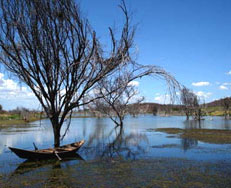
After breakfast buggy tour through the Catimbau Valley to Ibimirim, visiting Quiridalho Mountain, with natural shelters and caves, registering rupestrian paintings; the Puiú Lagoon has high salinity in the left side, while in the right side we will find fresh water. Ibimirin presents a wonderful artisan work, producting hole imagens in wood, as well as, tapestries, stran and seeds work. In moon light evenings we will participate in “Praiá” rituals, danced by indians in Kambiwá reserve.
Day 7 (Sat) – Buíque / Caruaru / Recife
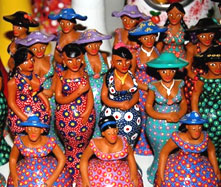
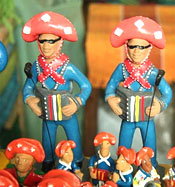
Morning departure for Caruaru, considered by UNESCO to be “the most important figurative art centre in the Americas”, outstanding for its artisan craftworks and the festivals in June, winning for itself the title of the “Forró Capital” (n.b. “Forró is the typical mid-year country dance and festival in the North-east of Brazil). We will visit the Alto do Moura, the residence and workshop of several artists who work with clay.
Day 8 (Sun) – Recife / Tour Historic
The 7 years of Count Mauricio de Nassau’s government have gone down into history as the golden age of Dutch colonial rule. The talented politician and strategist transferred the seat of government from Olinda in 1637. A new city, Mauricea, sprung up, with paved streets, bridges and a level of urbanization previously unknown in Brazil. Two palaces crowned the labours of the administrator: Shipping, on the confluence of the Rivers Capibaribe and Beberibe, facing the sea, and Summer, outside the centre. The Governor-General surrounded himself with intellectuals, the painters Frans Prost and Albert Eckout being prominent amongst them. We will visit the Golden Chapel, the Synagogue, the Fort of Five Points, Sol and Aurora Streets, Brum Fort, the patio of São Pedro and Campo de Princesas (Princesses’ Field).
Av. Hélio
Falcão, 530 - Boa Viagem - Recife/PE - Brasil - 51021-070 | PABX: (55) 81-3328.6007 - rbm@rbmturismo.com.br