| Day 1. (Thurs) – Natal |
 |
 |
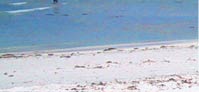
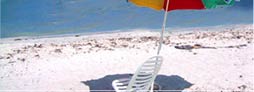
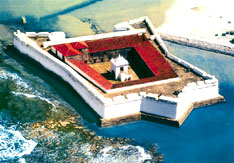
Natal is situated on the banks of the River Potengi, close to its estuary on the Atlantic Ocean, a sandy area, with dunes and coves protected by a cordon of reefs along the beach which follow the coast. In 1597 a fleet commanded by Jerônimo de Albuquerque arrived in the estuary, with the mission of founding a town and building a fort to secure Portugal’s possession and drive off the French who were trading with the Rio Grande do Norte Indians. The Three Kings Fort was started in 1598. A town, which in 1599 was baptized Natal (Christmas) in honour of its foundation day, was constructed one league from the fort. In 1633 the city fell to the Dutch and its economic progress died. The Tourist Centre, in the old gaol, contains artisan shops and a stage for folkloric spectacles. |
|
| Day 2. (Fri) – Natal / Canoa Quebrada |
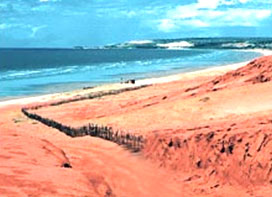
Morning visit to Canoa Quebrada with its dunes of very fine sand, colorful faults extending like a wall facing the sea and warm waves.A place that surprises for the paradisiacal beauty. In 1650, the Portuguese navigator Francisco Ayres of Cunha stagnated in the coast of Canoa Quebrada. When it arrived in earth gave his broken arm to master Sebastião. It was then that the name Canoa Quebrada appeared. Canoa Quebrada is a beach located in the coast east of the State of Ceará to 166km of Fortaleza. Canoa offer a great variety of attractions among bars, restaurants and nightclubs. This is a beach for those seeking entertainment (Broadway Street).
|
|
 |
|
| Day 3. (Sat) – Canoa Quebrada / Morro Branco / Praia das Fontes / Fortaleza |
 |
|
 |
|
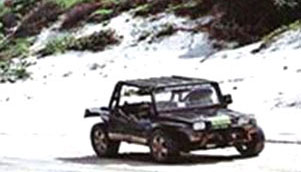
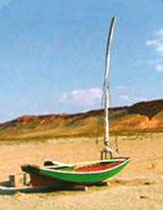
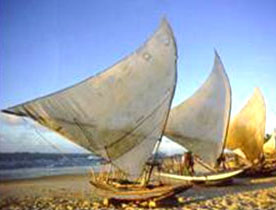
We awake and in harmony with the tide, we take, after breakfast, a buggy-ride along the rising sun littoral, to enjoy the half-submerged rocks on the colourful sands, and the dense coconut groves which make up the beautiful land with its rivers which were important in the history of Ceará. |
|
| Day 4. (Sun) – Fortaleza / City Tour / Cumbuco. |
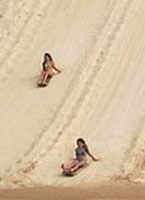
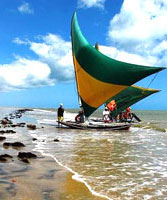
| Morning visit to the city including: the coast road with the Iracema Meireles and do Futuro beaches; the Art and Popular Culture Museum, Fortaleza Nossa Senhora (XVII Century), the José de Alencar Theatre and the Tourism Centre, where it is not possible to resist the purchase of local artisan craft in wood, ceramic, and “fillet” and “labyrinth” lace work. The principal attraction of the Cumbuco beach is its dunes with their fine white sand. Here everybody has a buggy trip andgolden sand dunes where tourists can have an emotional ramble and also visit the Jacumã Lake set amongst the dunes where the famous sports of “aerobunda” and skibunda” (seated boarding) can be enjoyed. |
|
 |
|
 |
|
| Day 5. (Mon) – Fortaleza / Ponta do Mel |
 |
|
After breakfast we continue on to Ponta do Mel (Honey Point), a semi-deserted beach half-submerged rocks decorating the calm waters, where fishermen clean their fish and the light orientates the boats. From the veranda of the chalets we can gaze out over the turquoise-blue sea that is always calm with a constant breeze. Ponta do Mel is a wilderness at the sea’s edge. And in the neighbouring port of Mangue, the combination of white sand, red earth and the semblance of the rosy dunes is enough to impress even the most travelled tourist. The rounded dunes form into an unforgettable tableau. “It is a natural viewpoint over the immensity of the White Coast”. A jewel hidden in a corner of Brazil. The inhabitants cohabit with technology the extraction of petroleum and salt. Overnight lodgings. |
|
| Day 6. (Tues) – Ponta do Mel / Galinhos / Natal |
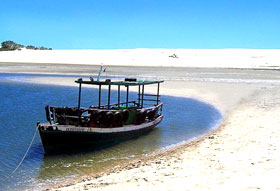
| Morning trip to Galinhos, peninsula surrounded by dunes, salt-pan and river. In Galinhos the hinterland finds the sea. It’s only visit the outskirts to see the vegetation characteristic of the two regions. It has manguezais, salt mines and creation of shrimps. Fishing village since its foundation, the name appeared due the great amount of fish-rooster and the fishing agglomeration that was if forming in the beach to fish them. Galinhos is only accessible from the sea or by buggy, becoming almost an island. It is well worth viewing the sea below from the heights, and, looking behind us, the immensity of the dunes. More to the front, the river cutting through the mangroves. One of the most beautiful stretches of this littoral |
|
 |
|
| Day 7. (Weds) – Natal / Panoramic Tour + Pirangi |
 |
|
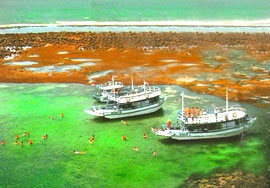
Natal is situated on the banks of the River Potengi, close to its estuary on the Atlantic Ocean, a sandy area, with dunes and coves protected by a cordon of reefs along the beach which follow the coast. In 1597 a fleet commanded by Jerônimo de Albuquerque arrived in the estuary, with the mission of founding a town and building a fort to secure Portugal’s possession. The Three Kings Fort was started in 1598. A town, which in 1599 was baptized Natal (Christmas) in honour of its foundation day, was constructed one league from the fort. The Tourist Centre, in the old gaol, contains artisan shops and a stage for folkloric spectacles. Visit to the largest Cashew tree in the world and Pirangi beach with the possibility of diving among the coral reefs. |
|
| Day 8. (Thurs) – Natal / Jacumã. |
The beach 32kms north of Natal offers optimum bathing conditions as the sea is calm and clear. Jacumã also offers a complex of fixed and moving white and golden sand dunes where tourists can have an emotional ramble and also (optional) visit the Jacumã Lake set amongst the dunes where the famous sports of “aeribunda” and skibunda” (seated boarding) can be enjoyed. There is an excellent menu to choose from at the Naf-Naf restaurant in Jacumã, on the coast. This is the most charming place on the Northern Littoral!!
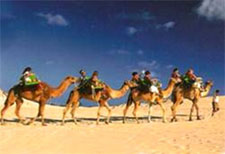
We recommend a buggy trip through the Genipabu dunes. The circuit includes stops to bathe in the waters of lake and in natural pools, and a camel ride through the dunes.
|
|
 |
|