| Day 1. (Sun) - Fortaleza
/ Cumbuco |
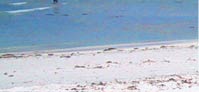
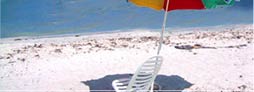
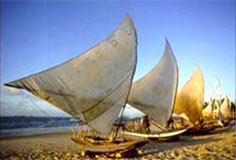
Morning visit to the city including: the coast road with the Iracema Meireles and do Futuro beaches; the Art and Popular Culture Museum, Metropolitan Culture Centre, Fortaleza Nossa Senhora (XVII Century), the José de Alencar Theatre and the Tourism Centre, where it is not possible to resist the purchase of local artisan craft in wood, ceramic, and “fillet” and “labyrinth” lace work. The principal attraction of the Cumbuco beach is its dunes with their fine white sand. Here every body has a buggy trip and goes esquibunda, Ceará’s most popular sport, where one boards - seated or standing - down the dunes. The buggy trips can be “with or without excitement”, be prepared to negotiate dunes of up to 10 meters in height.
|
 |
 |
|
| Day 2. (Mon) - Fortaleza
/ Ubajara / Camocim |
 |
|
 |
|
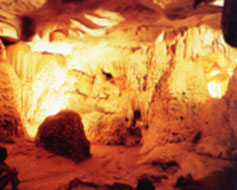
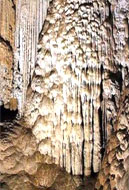
Morning to Ubajara, an oasis with a mild climate in the heart of the brazilian northeast. The region of hills and plateaus in Ceará will leave nature lovers or radical sports enthusiasts simply ecstatic with its exuberant forest, river sources, waterfalls, caves and plenty of fresh air. Visit the grotto. Then on to Camocim. |
|
| Day 3. (Tues) - Camocim
/ Jericoacoara |
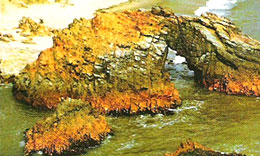
| Jericoacoara is considered one of the most beautiful beaches in the world, where fisherman cast nets for fish and shrimps, as well as lobster fishing. There are also mangroves with their crabs and fauna just as rich as the handicrafts of the lacemakers with their hammocks, tablecloths and decorative pieces of unparalleled beauty and quality. Breakfast then departure to explore Jericoacoara one of the most beautiful brazilian beach, from where one can appreciate the exuberant coconut groves, the white sandy beach and reddish dunes which welcome the lazy waves into their natural coves (optional). |
|
 |
|
| Day 4. (Weds) – Camocim / Parnaíba / Delta das Américas / Ilha do Caju |
 |
|
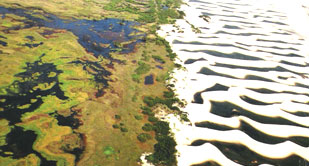
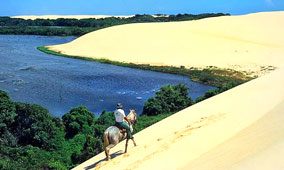
At the “Delta das Americas” you’ll be able to hop into a boat and wander though hundred of islands formed by the encounter of the Parnaíba river and the sea. Among these islands are the famous “Ilha do Caju” and “Ilha das Canarias”. Stop for a swin in the lakes in the dunes and beaches with walks through the mangroves. A crab supper on board. Overnight Ilha do Caju. |
|
| Day 5. (Thurs) -
Ilha do Caju / Parnaíba / Sete Cidades |
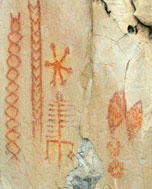
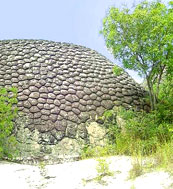
Breakfast at the hotel and rest of the day free for personal activities. Take advantage of the trips organized by the local agencies and get to know this habitat, which is unique in the Americas. The natural landscape inebriates visitors. The harmony of the lagoons and the only open-sea Delta of the Americas offers the scenery vivid tones. Evening departure by boat to Parnaíba, then on by coach to lodgings in Sete Cidades (Seven Cities). The Seven Cities National Park, where formations and paintings in ancient rocks are worth visiting is located in the municipalities of Piripiri, Brasileira and Piracuruca. Overnight in the Park.
|
|
 |
|
| Day 6. (Fri) - Sete
Cidades |
 |
|
 |
|
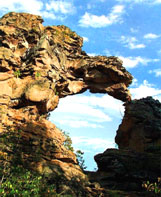
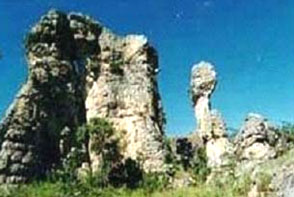
Breakfast then departure to explore the Seven Cities National Park. From the entrance to the park, you can visit stones with names such as Elefante (Elephant), Tartaruga (Turtle), Camelo (Camel), Soldado Romano (Roman Soldier) Polegar de Deus (God’s Thumb), as well as others less well known. These stones form the ensemble of “Sete Cidades”. Rupestrian inscriptions can also be found on some rocks, such as the stone known as “Ponte” (Bridge). The geological characteristics were originated by springs which feed the sources of several rivers in the region. Overnight at the hotel. |
|
| Day 7. (Sat) - Sete
Cidades / Teresina |
| Morning to Teresina (Piaui). Arrival and a typical regional lunch. Teresina is the only capital in the northeast which is not sited on the coast, living from its fluvial beaches and the legends which are born on the waterside, such as that of “Cabeça-de-Cuia” (Gourd-head). Overnight at hotel. |
|
 |
|
 |
|
| Day 8. (Sun) - Teresina |
 |
|
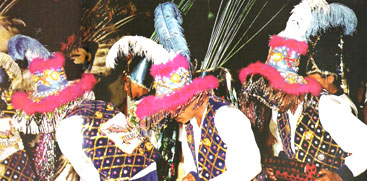
Breakfast then a sightseeing tour of the city. We can appreciate artisans and folklore of Teresina. Artisan’s characterise fibre and straw art, sculptures (ceramic), weaving (cotton), or lace work and embroideries. The folklore of Teresina reflects the cultural manifestations of its population, such as “bumba-meu-boi”, which reflects the era of the colonization and occupation of the northeast. |
|