In the morning we visit Garanhuns, important in the Northeast as a rest stop and for its fairs. We can admire the old railway station and the Povoado do Castainho (Settlement of the Chestnuts), a remnant of the Negro community from the Quilombo dos Palmares (The Negro quarters during the days of slavery). Three in ten Brazilians are black or mulatto and almost four centuries of slavery still weighs on them. Once sold, the slaves had to go where their new masters sent them.
Day 2 (Mon) – Garanhuns / Águas Belas / São Francisco Lakes
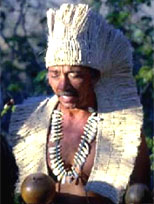
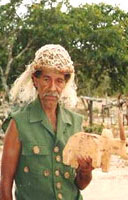
After breakfast we set out for the Indian village of Fulni-ô, where the ancestral language and many of the customs are still preserved. We will visit the main church of Nossa Senhora de Conceição (XVIII Century) and one of the largest open-air fairs in the state. We will be able to see how the Indians live in the modern Northeast. Then on to our lodgings.
Day 3 (Tues) – São Francisco Lakes
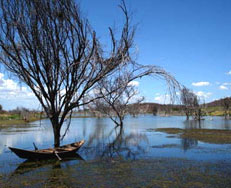
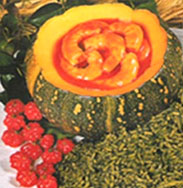
Morning visit to Pankararu indigenous reserve and Tacaratu handcraft faire. Morning trip to São Francisco Lakes. History, ecology, adventure, advanced technology in fruit and energy production make part of the Vale do São Francisco. The region’s diversity, with a hot and dry climate is bathed by the cold waters of the São Francisco’s River. The culinary is made up of Surubim (a noble, river water fish), goat, sheep, dishes, delicious home made candies, rum and exportation wines.
Day 4 (Weds) – São Francisco Lakes / Ibimirim / Buíque
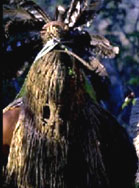
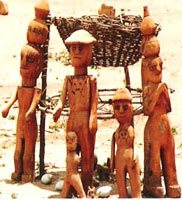
Morning São Francisco Lakes to Ibimirim. Visiting Quiridalho Mountain, with natural shelters and caves, registering rupestrian paintings; the Puiú Lagoon has high salinity in the left side, while in the right side we will find fresh water. Ibimirin presents a wonderful artisan work, producting hole imagens in wood, as well as, tapestries, stran and seeds work. In moon light evenings we will participate in “Praiá” rituals, danced by indians in Kambiwá reserve.
Day 5 (Thurs) – Buíque / Catimbau Valley
Morning trekking visit to the Canyons, an area of ridges, valleys and rocks, which impresses with its primordial magnificence, rock formations and beauty. The Catimbau Valley has dramatic rock formations, but the major attractions are the rupestrian inscriptions made at least five thousand years ago. After the Serra da Capivara Parque, this is the most important archaeological park in the country, with 23 sites catalogued. The graphics were made by tribes from different eras, and who used different painting techniques. Afternoon trekking tour to Serra das Torres, ancient dead Volcano. We won’t miss the unforgetable sunset.
Day 6 (Fri) – Buíque / Alcobaça / Kapinawá Reserve
Morning visit to the “Alcobaça Site”, where we will apreciate different archaeological area with rocky shelters and unequalled prehistoric paintings and carvings. Rupestrian paitings show how our ancestors lived: hunts, sexual orgies and unknown animals, show that not only our customs, but also the landscape have changed greatly. Prehistoric sites are woven into the vegetation of the scrub savannah. Lunch under shadow of “quixabeiras”. We take the trail to “Igrejinha” site, where we will find typical rock formations. We will visit Zé Bezerra craftworks. Dinner with indigenous rituals in Kapinawá Reserve.
Day 7 (Sat) – Buíque / Caruaru / Recife
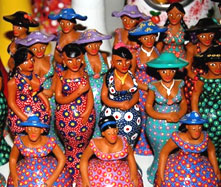
Morning departure for Caruaru, considered by UNESCO to be “the most important figurative art centre in the Americas”, outstanding for its artisan craftworks and the festivals in June, winning for itself the title of the “Forró Capital” (n.b. “Forró is the typical mid-year country dance and festival in the North-east of Brazil). We will visit the Alto do Moura, the residence and workshop of several artists who work with clay. Then, on to our lodgings in Recife.
Day 8. (Sun) – Recife / Historic Tour + Olinda.
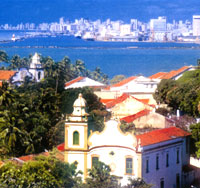
Visit the city, including the beach, Boa Viagem church, the Capibaribe and Beberibe Rivers and the Golden Chapel. Trip to the Five Points Fort, Ruas (streets) do Sol and da Aurora (Old Recife), Brum Fort, Pátio de St. Pedro, Campo das Princesas, the Maurício de Nassau Bridge (the oldest in Brazil). Visit to the city of Olinda – Historic and artistic monument (said title awarded by UNESCO), the Heights and church da Sé (1537), the old slave market, the steep streets and convent of St. Francisco (1585).
Av. Hélio
Falcão, 530 - Boa Viagem - Recife/PE - Brasil - 51021-070 | PABX: (55) 81-3328.6007 - rbm@rbmturismo.com.br