| Day 1. (Sun) – Recife / Historic Tour / Olinda. |
 |
 |
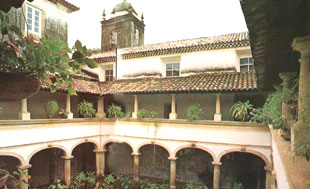
Duarte Coelho found a strategically place to install, in the high hills, the village that became Olinda. In 1637, Maurício de Nassau assumes the government. Cult, Nassau leads an urbanity revolution in the city: streets and several bridges were constructed. Visit to the city, including the beach, Boa Viagem church, the Capibaribe and Beberibe Rivers and the Golden Chapel. Trip to the Five Points Fort, streets Sol and Aurora (Old Recife), Brum Fort, Pátio de St. Pedro, Campo das Princesas, the Maurício de Nassau Bridge (the oldest in Brazil). Visit to the city of Olinda, Historic and artistic monument (UNESCO), the Heights and church da Sé (1537), the old slave market, the steep streets and convent of St. Francisco (1585). |
|
| Day 2. (Mon) – Recife
/ Ingá / Areia / Cariri |
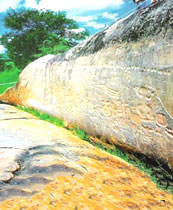
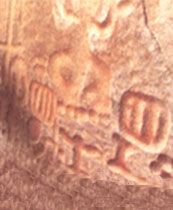
| Breakfast, then to Ingá, where we can find the principal Brazilian archaeological monument. This is a granite block 23m long (74’ 9”), covered with enigmatic symbols, carved by the Indians thousands of years ago. Then on to Areia. This small city, also known as Ouro Preto do Sertão (Black Gold in the Wilderness), boasts a row of XIXth and early 20th Century houses, as well as “Engenhos” (Sugar Mills) from that period. Lunch in a city restaurant and then on to appreciate the scrub savannah, extremely exotic scenery. |
|
 |
|
|
|
| Day 3. (Tues) – Cariri |
 |
|
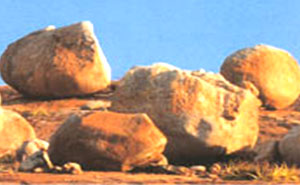
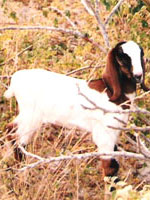
Morning walk to “Saca de Lã” (the wool sack). Immense parallel granite slabs form a “pill” 15m high, which defies the imagination of those who try to imagine if their origin was natural or manmade. Today we obey the indigenous rituals when we eat: the main course will be “Bode no Buraco” (kid barbequed in an oven excavated in the ground). In the afternoon, we will visit granite formations in an area once inhabited by primitive tribes, hermits and visited by outlaws. We will watch the spectacular sunset from here. |
|
| Day 4. (Weds) – Cariri
/ Vale dos Dinossauros. |
| Morning to the city of Bravo where we will find granite mountains decorated with small lakes. These contrasting rocky formations form an attractive and exotic scene. Prehistoric and extinct animals - such as mastodons and sabre-toothed tigers - inhabited this region, leaving behind enigmatic relics. Lunch and afternoon departure to lodgings at the Brejo das Freiras. |
|
 |
|
 |
|
| Day 5. (Thurs) – Vale
dos Dinossauros. |
 |
|
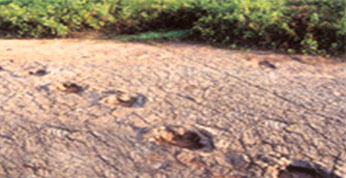
Morning departure for the shores of the “Shallow Lake”, where the world’s dinosaurs lived 120 million years ago. In the Valley of the Dinosaurs, found in the municipality of Sousa, there exist the famous dinosaur footprints encrusted in the ground and it is considered one of the most important pre-historic sites in the world. The passage of these animals through the Paraiban wilderness, millions of years ago, awakes the interest of both Brazilian and foreign scientists and attracts, as well, many visitors. |
|
| Day 6. (Fri) – Vale
dos Dinossauros / Mossoró |
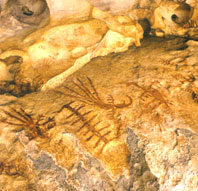
| Morning trip to visit the archaeological site of Lajeado de Soledade. We will find small “canyons” and caverns decorated with pre-historic paintings and carvings between 3000 and 7000 years old. Here fossils were found of gigantic animals from the Ice Age. Visit the Archaeological and Paleontological museum. Continue on to lodgings in Mossoró. |
|
 |
|
 |
|
| Day 7. (Sat) – Mossoró /
Canoa Quebrada / Fortaleza |
 |
|
 |
|
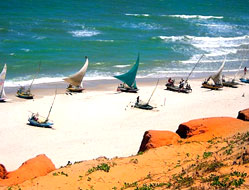
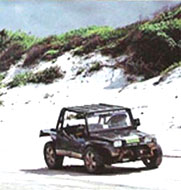
Morning trip to Canoa Quebrada. We can enjoy the fine sand dunes, colored faults extending like a wall facing the sea and warm waves. Lunch under canvas on the coast. Don’t miss the sunset from the dunes. We would suggest a trip in a buggy through the fine white sand... |
|
| Day 8. (Sun) – Fortaleza
/ Cumbuco |
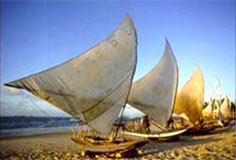
Morning visit to the city including: the coast road with the Iracema Meireles and do Futuro beaches; the Art and Popular Culture Museum, Metropolitan Culture Centre, Fortaleza Nossa Senhora (XVII Century), the José de Alencar Theatre and the Tourism Centre, where it is not possible to resist the purchase of local artisan craft in wood, ceramic, and “fillet” and “labyrinth” lace work. The principal attraction of the Cumbuco beach is its dunes with their fine white sand. Here every body has a buggy trip and goes esquibunda, Ceará’s most popular sport, where one boards - seated or standing - down the dunes. The buggy trips can be “with or without excitement”, be prepared to negotiate dunes of up to 10 meters in height.
|
|
 |
|